Urgent care near me
Lose up to 20% body weight
Get access to weight loss medication
Explore personalized weight loss solutions from both local and virtual healthcare providers. See if you qualify for GLP-1s like Ozempic, Wegovy and Zepbound.
Ozempic can help people lose weight, but it isn’t FDA-approved for weight loss. It’s approved for type 2 diabetes and heart-risk reduction. Some clinicians prescribe Ozempic off label for weight loss; the FDA-approved semaglutide product for weight management is Wegovy. According to major trials, semaglutide can lead to meaningful weight loss when combined with healthy habits, but side effects, cost, and access matter—and weight often returns if you stop. According to the FDA and public health agencies, compounded or “off-brand” GLP-1 products aren’t reviewed for safety or quality and should be avoided. (FDA; NIH/NCBI; UCHealth; Harvard Health)
Ozempic is the brand name for semaglutide, a GLP-1 receptor agonist (a type of incretin-mimicking medicine). Ozempic was FDA-approved in 2017 to help adults with type 2 diabetes lower blood sugar, and to reduce major cardiovascular events in adults with established heart disease. It’s a once-weekly subcutaneous injection used alongside diet and exercise. (FDA label; NIH/NCBI)
For chronic weight management, the semaglutide brand Wegovy—not Ozempic—is FDA-approved for adults with obesity (BMI ≥30) or overweight (BMI ≥27) with a weight-related condition, and for teens ≥12 with obesity. (NIH/NCBI; CDC MMWR)
No. Ozempic is not FDA-approved for weight loss. Some clinicians prescribe it off label for people who meet medical criteria for anti-obesity treatment. Insurance often covers Ozempic for diabetes but may not cover it for off-label weight loss. Wegovy (same active ingredient at higher doses) is the approved weight-loss version; coverage for Wegovy varies by plan and employer. (FDA; UCHealth; UC Davis Health)
Dosing differs: Ozempic is typically titrated up to 0.5–2 mg weekly for diabetes. Wegovy titrates to 2.4 mg weekly for weight management. (FDA label; NIH/NCBI)
Ozempic is a GLP-1 receptor agonist. It helps regulate appetite and blood sugar by:
Increasing insulin release when your glucose is high,
Decreasing glucagon (a hormone that raises glucose), and
Slowing stomach emptying, which can reduce hunger and help you feel full sooner. (Harvard Health; NIH/NCBI)
What people often notice: smaller portions feel satisfying, cravings are quieter, and grazing becomes easier to control—especially when you pair the medication with steady meals, lean protein, fiber, and water.
Why slow titration matters: starting low and stepping up monthly helps your body adjust and reduces GI side effects (nausea, reflux, constipation). (UCHealth; NIH/NCBI)
A clinician’s take: “These drugs decrease appetite and slow down emptying of the stomach so people feel less hungry and eat less,” says Cecilia Low Wang, MD, endocrinologist at the University of Colorado School of Medicine. (UCHealth)
Semaglutide can be very effective when combined with lifestyle changes. Across the STEP trials of semaglutide for obesity, average weight loss ranged roughly 10–15% or more over about a year, with some participants losing >20% at higher doses used for obesity treatment. Lifestyle alone typically leads to much smaller losses. (NIH/NCBI; Harvard Health)
Important context:
Medication + habits beat habits alone. Diet quality, protein intake, and resistance training help preserve muscle and improve results. (Harvard Health)
Plateaus happen. Your body adapts, and weight loss slows over time—even on medication. (UC Davis Health)
Stopping leads to regain. After discontinuation, participants regained a significant portion of lost weight within a year. (NIH/NCBI)
A surgeon’s perspective: “GLP-1s generally require lifelong use to maintain results. Stopping the medication often leads to weight regain,” says Marc Bessler, MD, Chief of Minimal Access/Bariatric Surgery at Columbia. (Columbia Surgery)
Good candidates typically include adults with BMI ≥30, or BMI ≥27 with a weight-related condition (e.g., hypertension, sleep apnea, prediabetes or type 2 diabetes), after discussing lifestyle changes and ongoing monitoring. Teens ≥12 with obesity may qualify for Wegovy under pediatric criteria. (NIH/NCBI; CDC MMWR)
Avoid or use extreme caution if you have:
Personal/family history of medullary thyroid carcinoma (MTC) or MEN2 (boxed warning),
Pregnancy or planning pregnancy soon,
Prior pancreatitis, severe GI disease, or significant diabetic retinopathy,
Allergy to semaglutide. (FDA label; NIH/NCBI)
A clinician note: “As with any drug, you weigh benefits and risks—and plan regular follow-ups,” says Dr. Low Wang. (UCHealth)
Common (often improve with time): nausea, vomiting, diarrhea or constipation, abdominal pain, indigestion, dizziness, headache, and decreased appetite. (Harvard Health; NIH/NCBI)
Less common: gallbladder issues (gallstones, cholecystitis), dehydration-related kidney injury, and eye changes (worsening diabetic retinopathy in those who already have it). (NIH/NCBI; UCHealth)
Serious/boxed warnings: risk of thyroid C-cell tumors in rodents (human risk uncertain—hence the MEN2/MTC contraindication), pancreatitis, and severe allergic reactions. (FDA label; NIH/NCBI)
Practical tips to feel better:
Eat smaller meals and pause when full; avoid large, high-fat meals early in treatment.
Prioritize protein and fiber; sip fluids throughout the day.
Walk after meals; add resistance training to protect muscle.
If side effects flare, ask your clinician about staying longer at a lower dose. (UCHealth; Harvard Health)
A nutrition-focused reminder: “Side effects are usually temporary and manageable,” notes Chika Anekwe, MD, MPH, obesity medicine specialist at Mass General. (Harvard Health)
Ozempic (diabetes): 0.25 mg weekly × 4 weeks → 0.5 mg weekly. If needed, increase after at least 4 weeks at a time up to 1 mg or 2 mg max weekly. (FDA label; NIH/NCBI)
Wegovy (weight management): 0.25 mg weekly × 4 weeks → 0.5 mg (weeks 5–8) → 1.0 mg (weeks 9–12) → 1.7 mg (weeks 13–16) → 2.4 mg weekly ongoing. If a step-up is rough, clinicians may hold at a dose longer. (NIH/NCBI)
Missed a dose? Follow the product’s insert: generally take it within the allowed window; otherwise skip and resume your weekly schedule—don’t “double up.” (FDA label; NIH/NCBI)
A clinician tip: “Titration minimizes nausea and GI upset,” says Dr. Low Wang. (UCHealth)
Most people regain some or much of the weight they lost. Appetite returns, stomach emptying speeds back up, and your body tends to defend a higher “set point.” In an extension of semaglutide trials, participants regained about two-thirds of lost weight within a year after stopping. (NIH/NCBI; UC Davis Health)
How to reduce regain risk:
Strength train 2–3×/week and aim for adequate protein (spread across meals).
Keep fiber and hydration high; maintain food structure and meal timing.
Continue sleep, stress, and alcohol moderation strategies.
If you must pause medication, talk about lower-dose maintenance or re-titration plans. (Harvard Health; UCHealth)
Off-label means a drug is prescribed for a purpose not on its FDA label. Clinicians may prescribe Ozempic off label for weight loss when it’s appropriate and when access to Wegovy is limited, but insurance coverage is less likely, and prior authorization is common. Close follow-up, dose titration, and lifestyle therapy are essential either way. (NIH/NCBI; UCHealth; UC Davis Health)
A bariatric expert’s view: “It’s not about the weight loss—it’s the maintenance,” says Dr. Bessler. “Many patients stop because of side effects, cost, or plateaus.” (Columbia Surgery)
Use caution. The FDA warns against unapproved or compounded GLP-1 products (including salt forms like semaglutide sodium/acetate) sold online or as “research chemicals.” These products haven’t been reviewed for safety, effectiveness, or quality; the agency has received reports of dosing errors, improper refrigeration, counterfeits, and adverse events—some requiring hospitalization. (FDA)
How to protect yourself:
Get a prescription from your clinician and fill only at a state-licensed pharmacy.
Avoid “generic Ozempic” or “research use only” versions.
Check packaging and lot information; when in doubt, call the pharmacy listed on the label. (FDA)
Cash prices are typically high for GLP-1s; exact amounts vary by dose and pharmacy.
Coverage: Plans often cover Ozempic for diabetes; Wegovy/Zepbound coverage for obesity is mixed and may require prior authorization. (UCHealth; UC Davis Health)
Medicare: Historically, Part D does not cover obesity drugs, though policy changes are being discussed; overall Part D out-of-pocket caps change in 2026, but coverage decisions for GLP-1s still vary. (KFF Health News)
Access: Periodic shortages have occurred since 2022, fueling interest in compounded versions—another reason to use only verified pharmacies. (UCHealth; FDA)
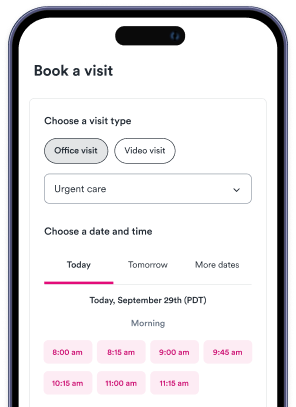
If you’re having trouble finding care, you can book same-day primary care or telemedicine visits through Solv to discuss safe, covered options and alternatives near you.
Protein & fiber: Aim for a protein source each meal and plenty of fiber (beans, veggies, whole grains) to support fullness and protect muscle. (Harvard Health)
Resistance training: 2–3 sessions weekly maintain lean mass; pair with light cardio and daily steps. (Harvard Health; KFF Health News)
Hydration: Sip water throughout the day—especially as GLP-1s can slow digestion.
Sleep & alcohol: 7–9 hours supports appetite hormones; limit alcohol, which adds calories and can worsen reflux or nausea.
A practical note: “Of those who tolerate the meds, most are happy—but habits still matter,” says Dr. Low Wang. (UCHealth)
Other GLP-1/GIP options:
Wegovy (semaglutide 2.4 mg weekly)—FDA-approved for weight management in adults and teens ≥12.
Zepbound (tirzepatide weekly)—a dual GIP/GLP-1 agonist FDA-approved for chronic weight management; can yield larger average losses than semaglutide in studies.
Mounjaro (tirzepatide)—approved for diabetes; sometimes used off label for weight loss. (Harvard Health; UCHealth)
Non-GLP-1 meds: Orlistat, phentermine/topiramate, naltrexone/bupropion—modest average weight loss; side-effect profiles differ. (CDC MMWR; Harvard Health)
Bariatric surgery: Most durable option for higher BMIs or significant obesity-related illness; medications may still play a role pre- or post-op. (Columbia Surgery)
Lifestyle-only: Effective for some; even 5–10% weight loss can improve health risks. (UCHealth)
Talk with your primary care clinician or an endocrinologist. Bring your medication list and health goals.
Baseline checks: Weight/BMI, blood pressure, A1C or fasting glucose, lipids; consider pregnancy testing if applicable; discuss retinopathy if you have diabetes.
Follow-up: Expect monthly titration and symptom checks; eye and kidney monitoring if you have diabetes.
Where to get care: Use Solv to find same-day primary care or telemedicine near you to discuss eligibility, options, and coverage—without a sales pitch.
Ozempic isn’t FDA-approved for weight loss; Wegovy is.
Semaglutide can drive meaningful loss with healthy habits.
Side effects are common early and usually manageable.
Stopping often leads to weight regain.
Avoid compounded or “off-brand” GLP-1s; stick to licensed pharmacies.
Many people notice smaller portions and less snacking within 1–2 weeks as doses rise, with full effect after several titration steps. Starting low helps minimize nausea. (UCHealth; NIH/NCBI)
Moderation is key. Alcohol can worsen reflux or nausea and adds calories; if you have diabetes, it can affect glucose. Ask your clinician if you have pancreatitis risk. (NIH/NCBI)
Appetite rebounds and weight regain is common—often within months. Keep protein, fiber, and strength training in place, and discuss lower-dose maintenance or alternatives. (NIH/NCBI; UC Davis Health)
It can delay stomach emptying, which may affect timing of oral meds. Risk of hypoglycemia rises if combined with insulin or sulfonylureas; your doses may need adjustment. (NIH/NCBI; FDA label)
No—don’t use during pregnancy, and stop at least 2 months before trying to conceive. Breastfeeding data are limited; discuss risks and alternatives. (NIH/NCBI)
Tell your clinician. You might pause titration, drop back a step, or try a different medication. Simple changes—smaller meals, more protein, ginger tea—often help. (UCHealth; Harvard Health)
Explore personalized weight loss solutions from both local and virtual healthcare providers. See if you qualify for GLP-1s like Ozempic, Wegovy and Zepbound.

Medically reviewed
View this article’s sources and history, and read more about Solv’s Content Mission Statement, editorial process, and editorial team.
Solv has strict sourcing guidelines and relies on peer-reviewed studies, academic research institutions, and medical associations. We avoid using tertiary references.
FDA’s Concerns with Unapproved GLP-1 Drugs Used for Weight Loss
https://www.fda.gov/drugs/postmarket-drug-safety-information-patients-and-providers/fdas-concerns-unapproved-glp-1-drugs-used-weight-loss
How does Ozempic work? Understanding GLP-1s for diabetes, weight loss, and beyond (Apr 14, 2025)
https://www.health.harvard.edu/staying-healthy/how-does-ozempic-work-understanding-glp-1s-for-diabetes-weight-loss-and-beyond
The Ozempic Effect: Everything You Need to Know About Medical Weight Loss
https://columbiasurgery.org/news/ozempic-effect-everything-you-need-know-about-medical-weight-loss
Wegovy vs. Ozempic: The truth about new ‘weight-loss’ drugs (Apr 05, 2023)
https://www.uchealth.org/today/wegovy-vs-ozempic-the-truth-about-new-weight-loss-drugs/
Ozempic for weight loss: Does it work, and what do experts recommend? (Jun 03, 2025)
https://health.ucdavis.edu/blog/cultivating-health/ozempic-for-weight-loss-does-it-work-and-what-do-experts-recommend/2023/07
Older Americans Quit Weight-Loss Drugs in Droves (Jan 06, 2026)
https://kffhealthnews.org/news/article/glp1-older-americans-quitting-weight-loss-drugs/
Semaglutide (Feb 11, 2024)
https://www.ncbi.nlm.nih.gov/books/NBK603723/
GLP-1 Injectable Use Among Adults With Diagnosed Diabetes: United States, 2024
https://www.cdc.gov/nchs/products/databriefs/db537.htm
Prescriptions for Obesity Medications Among Adolescents Aged 12–17 Years with Obesity — United States, 2018–2023 (Jun 05, 2025)
https://www.cdc.gov/mmwr/volumes/74/wr/mm7420a1.htm
What Doctors Think About Prescribing Wegovy and Ozempic for Weight Loss (Jun 29, 2025)
https://www.keckmedicine.org/blog/ozempic-for-weight-loss-los-angeles/
Solv’s team of medical writers and experts review and update our articles when new information becomes available.
Written by Solv Editorial Team
Medically reviewed by: Dr. Rob Rohatsch, MD
Edited by Solv Editorial Team
Solv has strict sourcing guidelines and relies on peer-reviewed studies, academic research institutions, and medical associations. We avoid using tertiary references.
FDA’s Concerns with Unapproved GLP-1 Drugs Used for Weight Loss
https://www.fda.gov/drugs/postmarket-drug-safety-information-patients-and-providers/fdas-concerns-unapproved-glp-1-drugs-used-weight-loss
How does Ozempic work? Understanding GLP-1s for diabetes, weight loss, and beyond (Apr 14, 2025)
https://www.health.harvard.edu/staying-healthy/how-does-ozempic-work-understanding-glp-1s-for-diabetes-weight-loss-and-beyond
The Ozempic Effect: Everything You Need to Know About Medical Weight Loss
https://columbiasurgery.org/news/ozempic-effect-everything-you-need-know-about-medical-weight-loss
Wegovy vs. Ozempic: The truth about new ‘weight-loss’ drugs (Apr 05, 2023)
https://www.uchealth.org/today/wegovy-vs-ozempic-the-truth-about-new-weight-loss-drugs/
Ozempic for weight loss: Does it work, and what do experts recommend? (Jun 03, 2025)
https://health.ucdavis.edu/blog/cultivating-health/ozempic-for-weight-loss-does-it-work-and-what-do-experts-recommend/2023/07
Older Americans Quit Weight-Loss Drugs in Droves (Jan 06, 2026)
https://kffhealthnews.org/news/article/glp1-older-americans-quitting-weight-loss-drugs/
Semaglutide (Feb 11, 2024)
https://www.ncbi.nlm.nih.gov/books/NBK603723/
GLP-1 Injectable Use Among Adults With Diagnosed Diabetes: United States, 2024
https://www.cdc.gov/nchs/products/databriefs/db537.htm
Prescriptions for Obesity Medications Among Adolescents Aged 12–17 Years with Obesity — United States, 2018–2023 (Jun 05, 2025)
https://www.cdc.gov/mmwr/volumes/74/wr/mm7420a1.htm
What Doctors Think About Prescribing Wegovy and Ozempic for Weight Loss (Jun 29, 2025)
https://www.keckmedicine.org/blog/ozempic-for-weight-loss-los-angeles/
Solv’s team of medical writers and experts review and update our articles when new information becomes available.
Written by Solv Editorial Team
Medically reviewed by: Dr. Rob Rohatsch, MD
Edited by Solv Editorial Team
Explore personalized weight loss solutions from both local and virtual healthcare providers. See if you qualify for GLP-1s like Ozempic, Wegovy and Zepbound.